
on
SL Waterborne Polyurethane Mortar
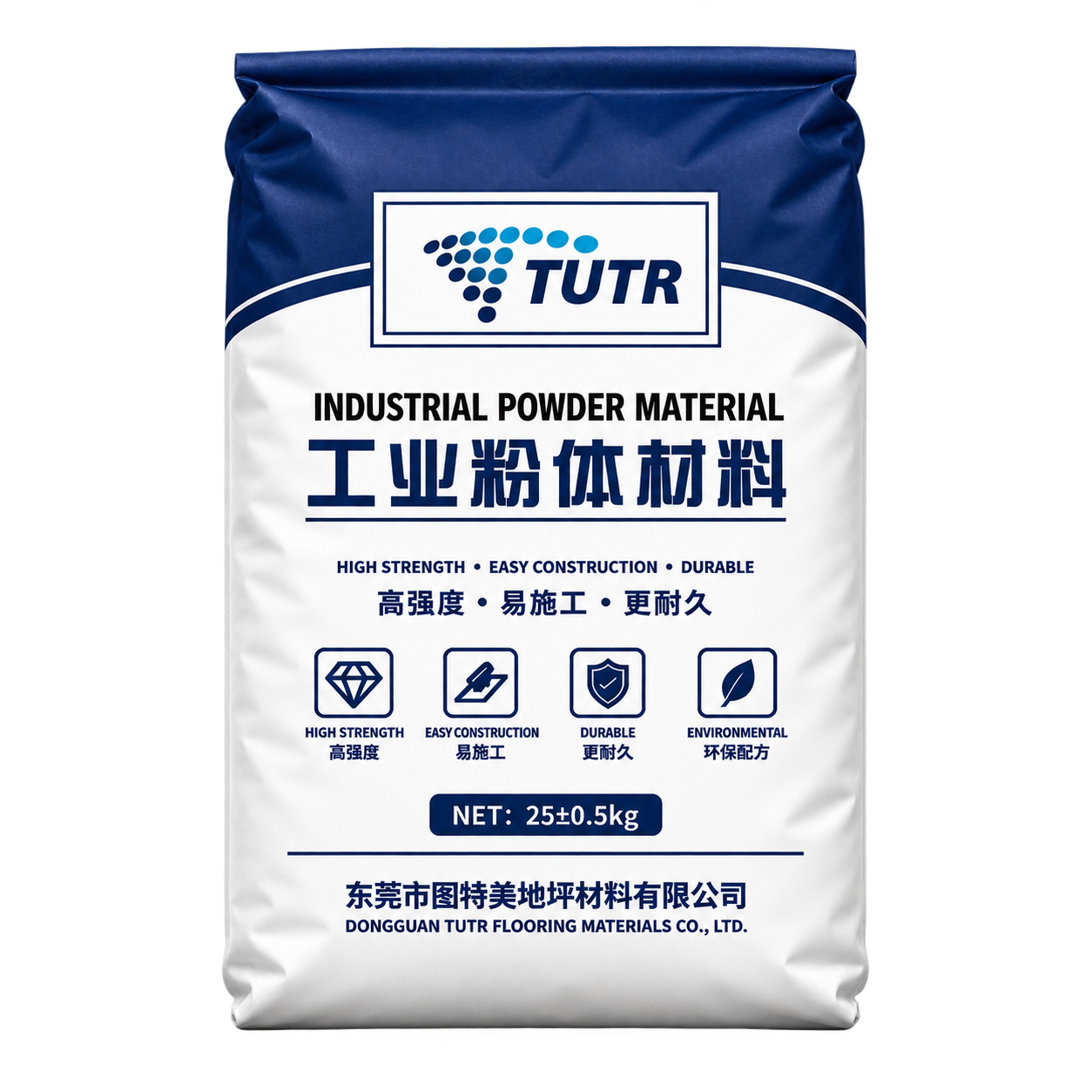
SL Waterborne Polyurethane Mortar is a four-component
self-leveling flooring material based on high-performance
waterborne polyurethane resin and formulated with special
cement, active fillers and graded silica sand. It is designed
for light-load applications, with a recommended application
thickness of 1.5–3 mm.
self-leveling flooring material based on high-performance
waterborne polyurethane resin and formulated with special
cement, active fillers and graded silica sand. It is designed
for light-load applications, with a recommended application
thickness of 1.5–3 mm.
Application Areas
Food and beverage plants
Central kitchens
Distilleries
Laboratories
Chemical processing plants
Underground parking garages
Civil and commercial flooring
Performance Features
1
Environmentally friendly with extremely low VOC emissions,
free from heavy metals and virtually odorless during
application, meeting food hygiene requirements.
free from heavy metals and virtually odorless during
application, meeting food hygiene requirements.
2
Self-leveling with a smooth matte finish and slip-resistant
surface. Provides good impact resistance, load-bearing
performance and wash resistance, while remaining easy to
clean and maintain.
surface. Provides good impact resistance, load-bearing
performance and wash resistance, while remaining easy to
clean and maintain.
3
The chemical hybrid structure formed between high-performance
polyurethane and high-strength cementitious silica aggregate
provides excellent durability and toughness. The coating
resists damage, impact and deformation without easily
cracking or delaminating.
polyurethane and high-strength cementitious silica aggregate
provides excellent durability and toughness. The coating
resists damage, impact and deformation without easily
cracking or delaminating.
4
Resistant to a wide range of organic acids, alkalis,
amines, salts and solvents, making it suitable for
demanding industrial and commercial environments.
amines, salts and solvents, making it suitable for
demanding industrial and commercial environments.
5
Its thermal expansion coefficient is similar to that of
concrete, helping prevent differential movement, cracking
and delamination during normal thermal cycling. The coating
maintains its physical properties within a temperature
range of -5°C to 80°C.
concrete, helping prevent differential movement, cracking
and delamination during normal thermal cycling. The coating
maintains its physical properties within a temperature
range of -5°C to 80°C.
6
Fast curing helps shorten the construction period and
supports an efficient continuous installation process
when the construction sequence is properly organized.
supports an efficient continuous installation process
when the construction sequence is properly organized.