
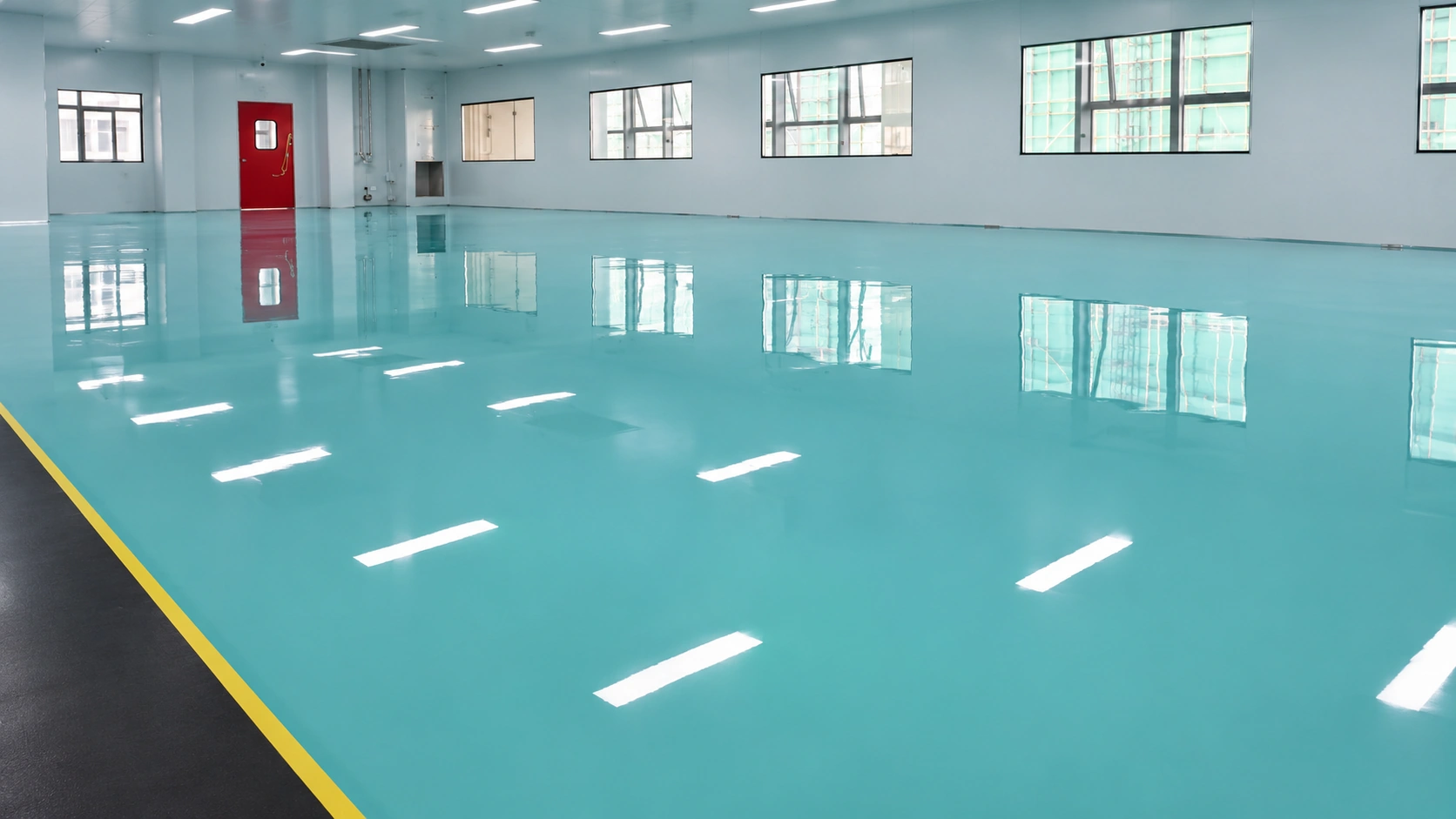
Industrial Epoxy Flooring Materials
& System Solutions
TUTR supplies epoxy flooring materials for industrial and commercial projects, including protective coatings, anti-static, self-leveling and decorative flooring systems, with system selection guidance and technical support.
From Industrial Protection
to Decorative Flooring
TUTR offers epoxy thin-coat, anti-static, self-leveling, anti-corrosion and water-based epoxy flooring materials for industrial and commercial projects. Each system differs in surface finish, layer structure and application requirements.
We also offer decorative systems such as epoxy colored sand and epoxy terrazzo. Based on substrate conditions, intended use, desired appearance and project requirements, we help customers select suitable flooring materials and installation systems.
Seven Epoxy Flooring Systems
From functional industrial coatings to decorative flooring finishes, choose suitable materials based on the operating environment and project requirements.
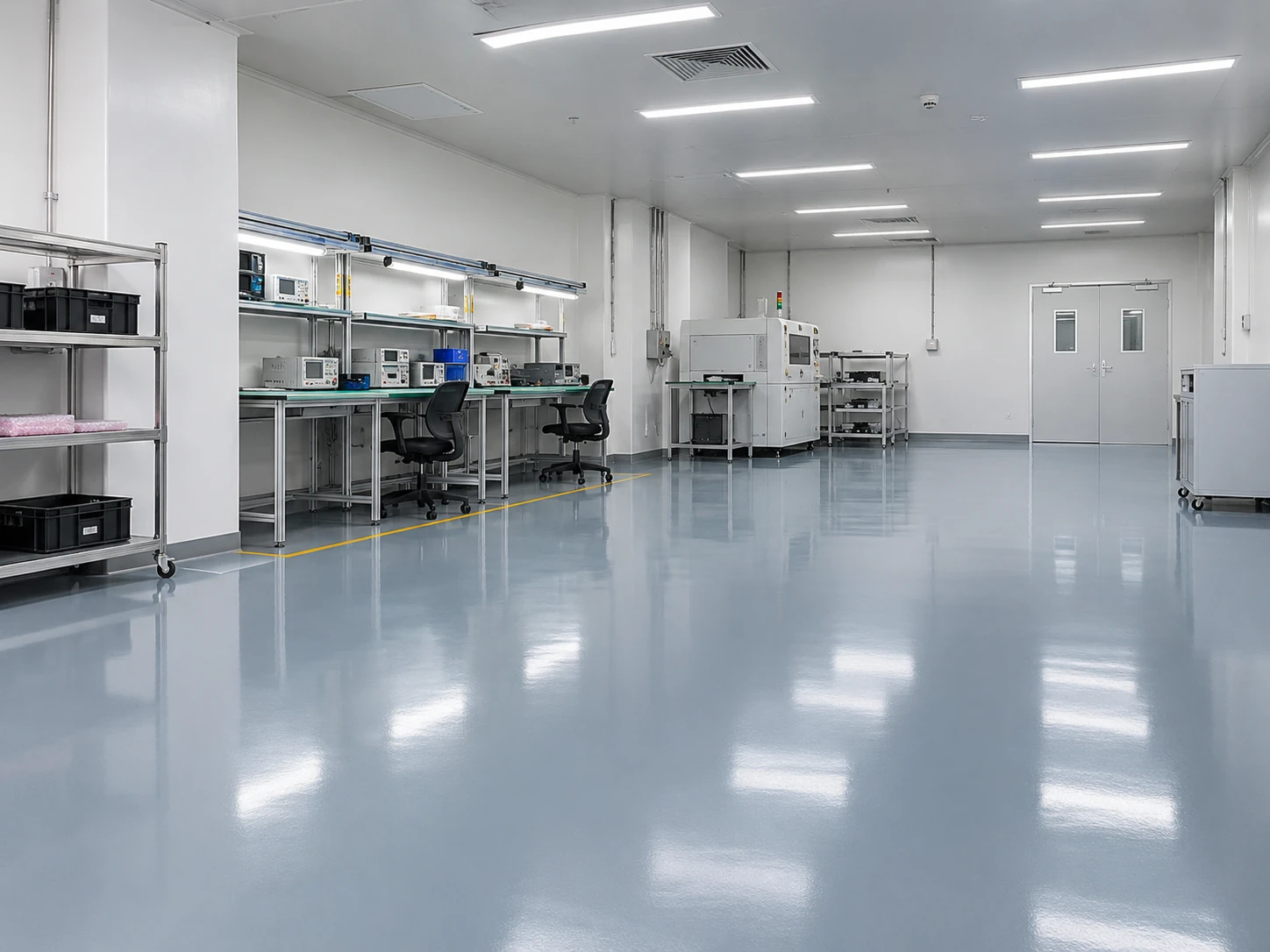
Epoxy Self-Leveling Flooring
Creates a smooth, continuous floor surface for industrial and commercial interiors with specific flatness and appearance requirements.
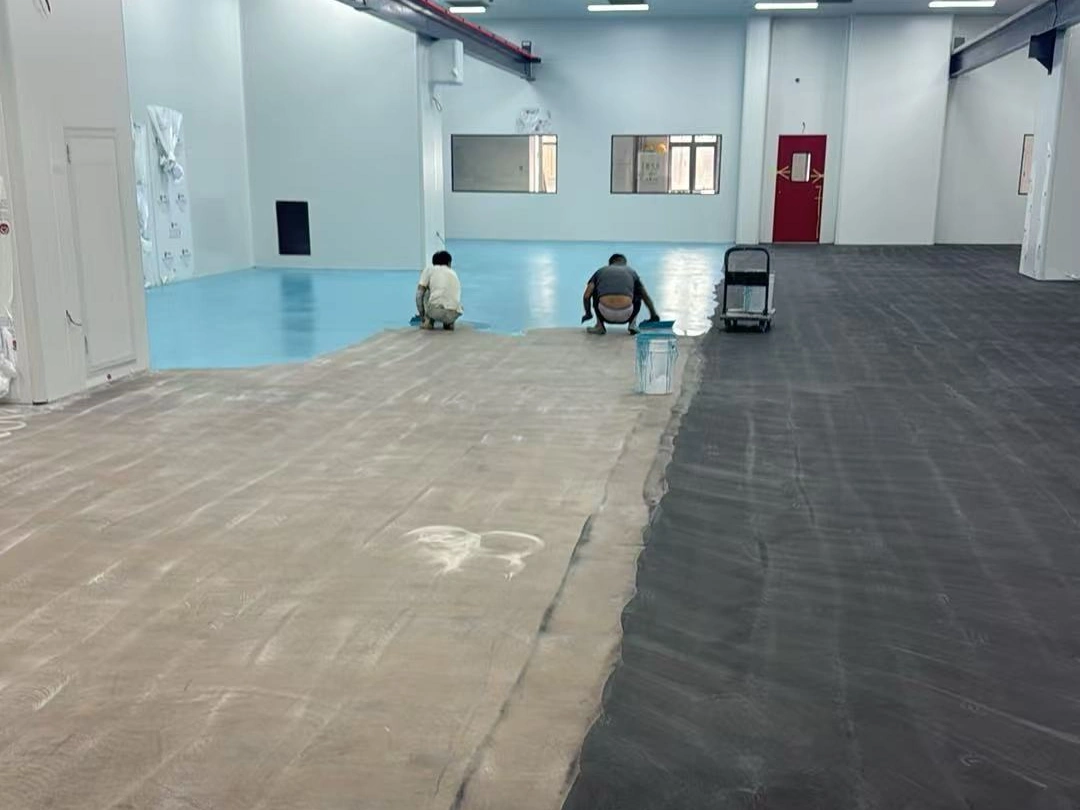
Anti-Static ESD Epoxy Flooring
For areas requiring electrostatic control. Conductive layers, grounding measures and overall system design must be considered.
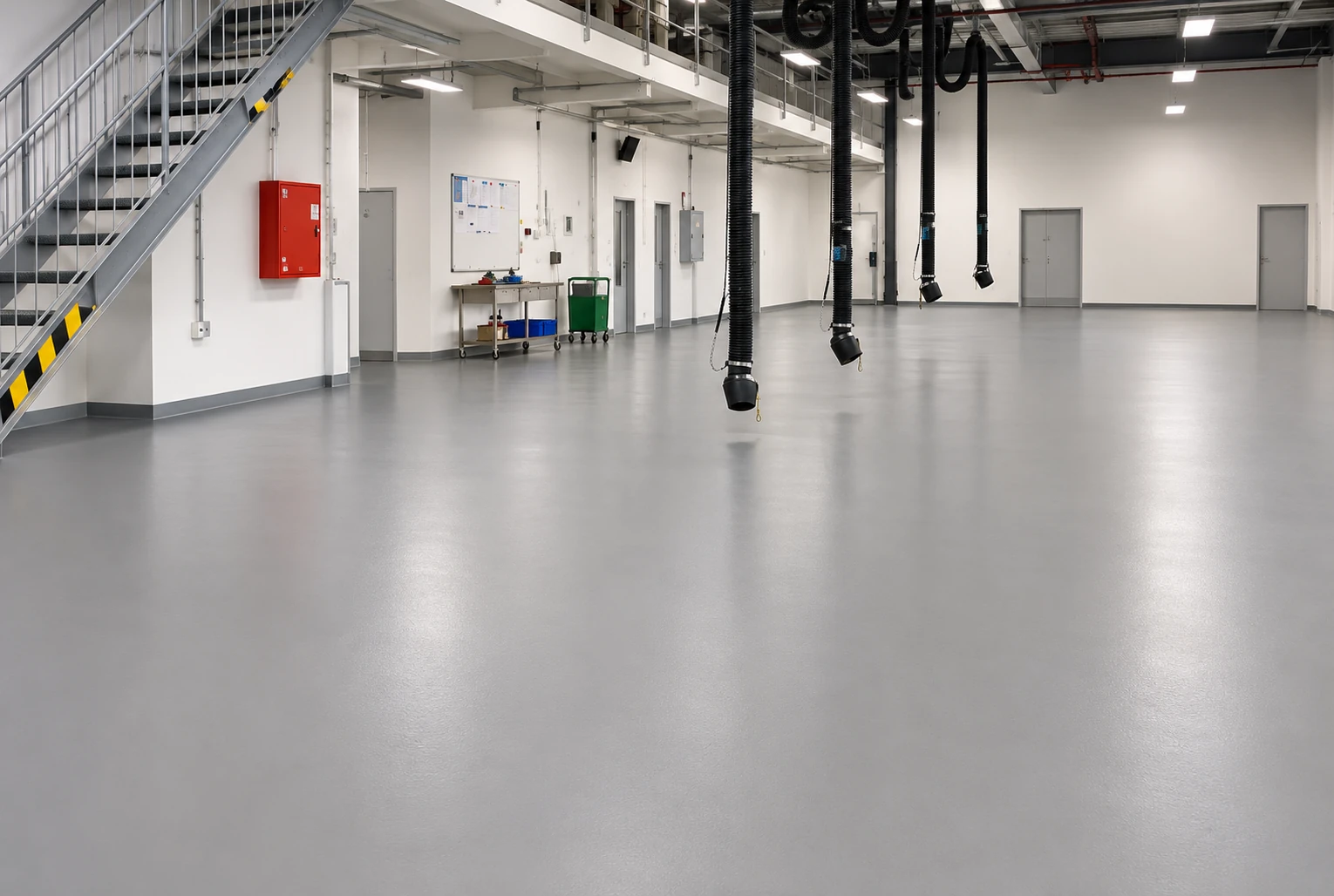
Epoxy Thin-Coat Flooring
Applied by roller to form a protective coating, suitable for general indoor workshops and concrete floors.
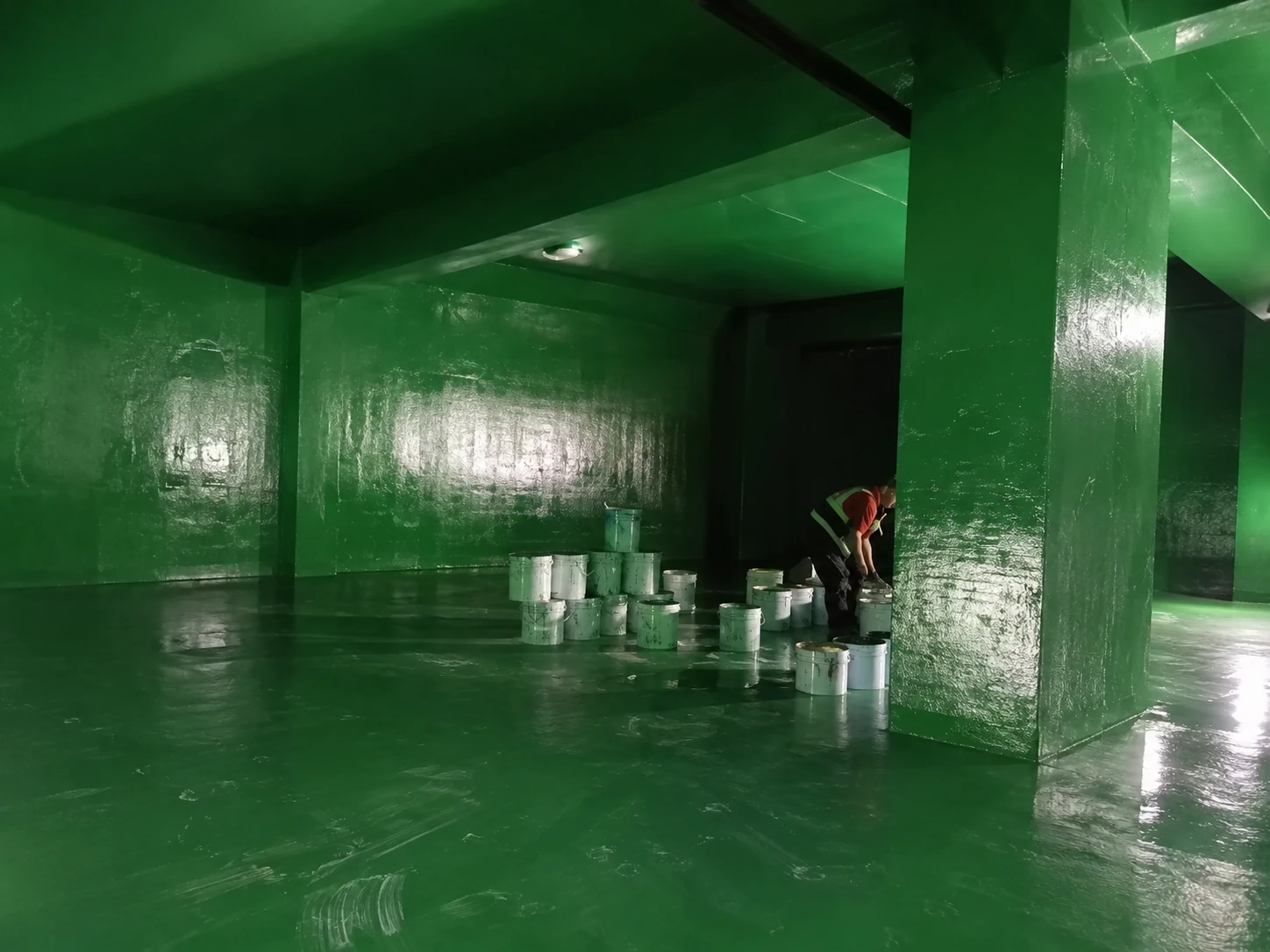
Anti-Corrosion Epoxy Flooring
For industrial environments with specific chemical exposure risks. Selection depends on the chemical type, concentration and exposure conditions.
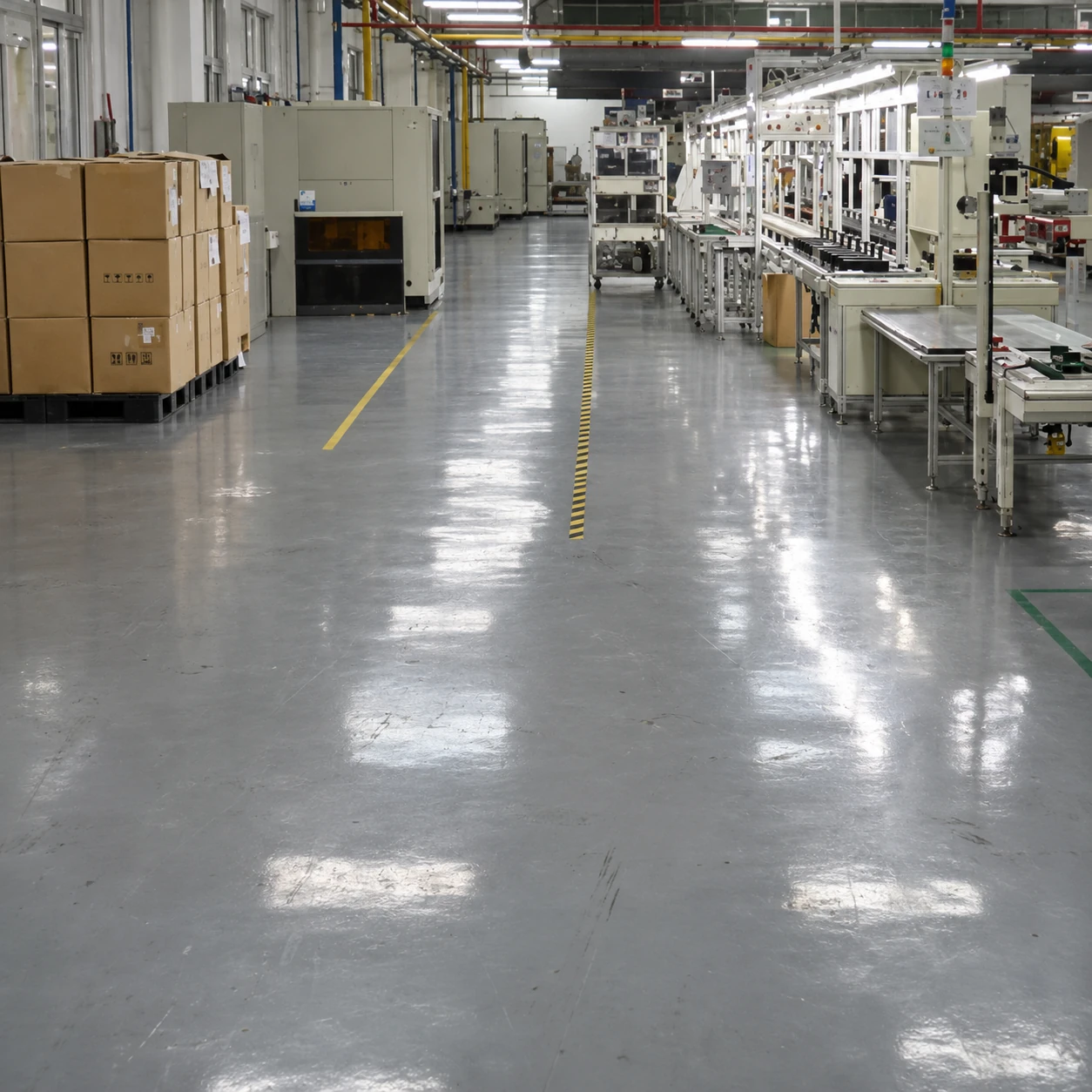
Water-Based Epoxy Flooring
Suitable for indoor concrete floors where application conditions meet system requirements. Selection depends on the substrate and intended use.
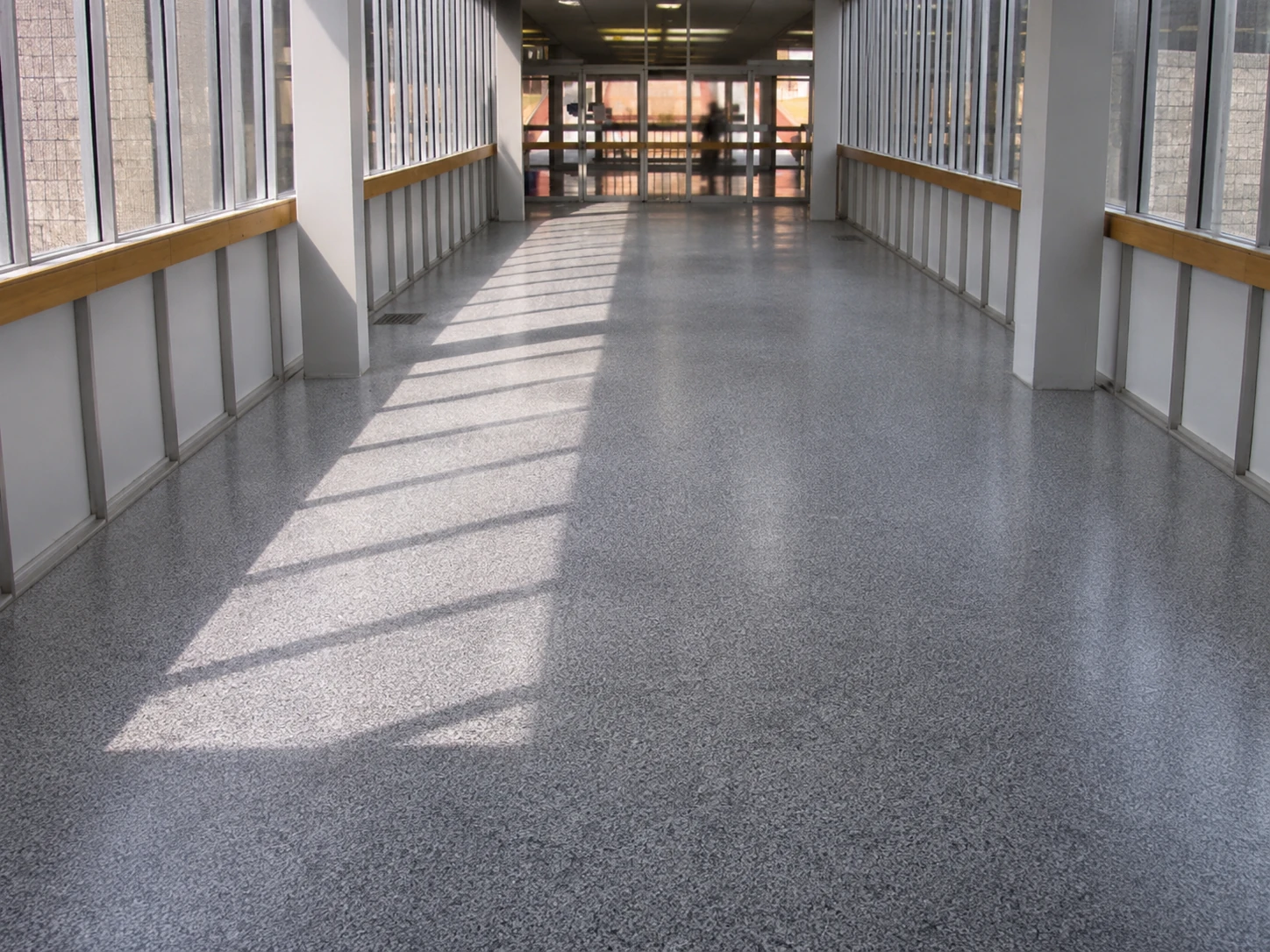
Epoxy Colored Sand Flooring
Combines colored mineral sand with an epoxy system to create fine-grained textures and a variety of decorative color effects.
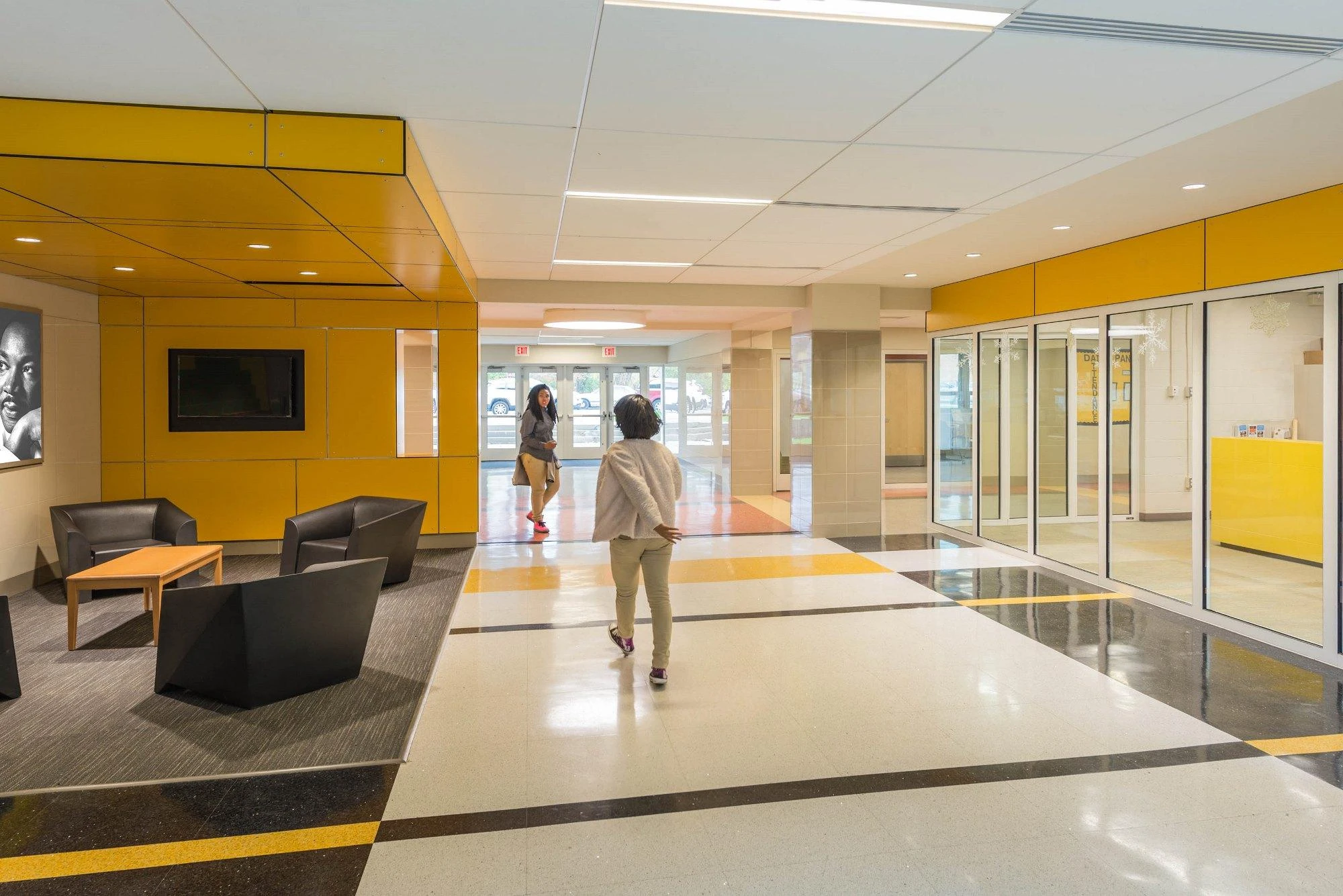
Epoxy Terrazzo Flooring
Combines epoxy resin with decorative aggregates. Curing, grinding and polishing reveal the aggregate pattern.
Choose the Right
Epoxy Flooring System
Flooring requirements differ from one project to another. System selection should consider substrate conditions, functional needs, surface appearance and on-site application conditions.
Substrate Conditions
Check concrete strength, flatness, moisture conditions, existing floor damage and repair requirements.
Performance Requirements
Consider traffic loads, mechanical wear, electrostatic control and possible chemical exposure.
Surface Finish
Choose smooth, textured, protective or decorative finishes according to the intended use.
Application Conditions
Consider site temperature and humidity, the installation window, curing conditions and project handover schedule.
From Substrate Preparation
to Floor Completion
Proper installation and suitable curing conditions are essential to achieving the intended appearance and performance of epoxy flooring.
Substrate Inspection & Preparation
Inspect and repair substrate defects. Prepare the surface by grinding, cleaning and other suitable methods.
Primer Application
Choose an appropriate primer based on the flooring system and substrate conditions to prepare for subsequent coats.
System Layer Application
Apply intermediate coats, functional layers and topcoats as required by the selected epoxy system.
Curing & Final Inspection
Allow sufficient curing time according to product and site conditions, then inspect the finished surface before use.
Flooring for Industrial
& Commercial Spaces
Different environments require different levels of durability, ease of cleaning and maintenance, electrostatic control and decorative appearance.
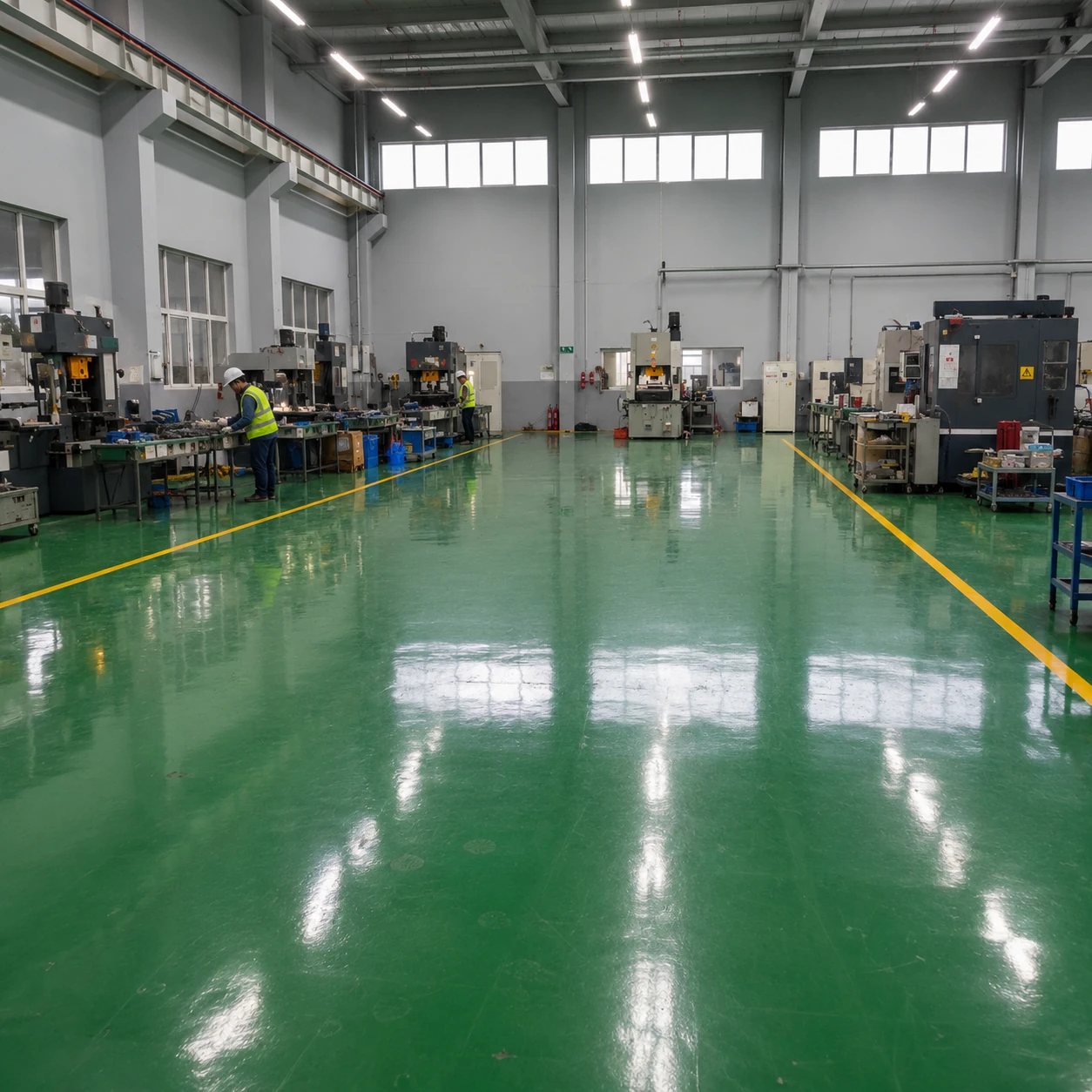
Manufacturing Workshops & Production Areas
For general workshops, assembly areas and industrial support spaces. Choose suitable epoxy materials based on usage intensity.
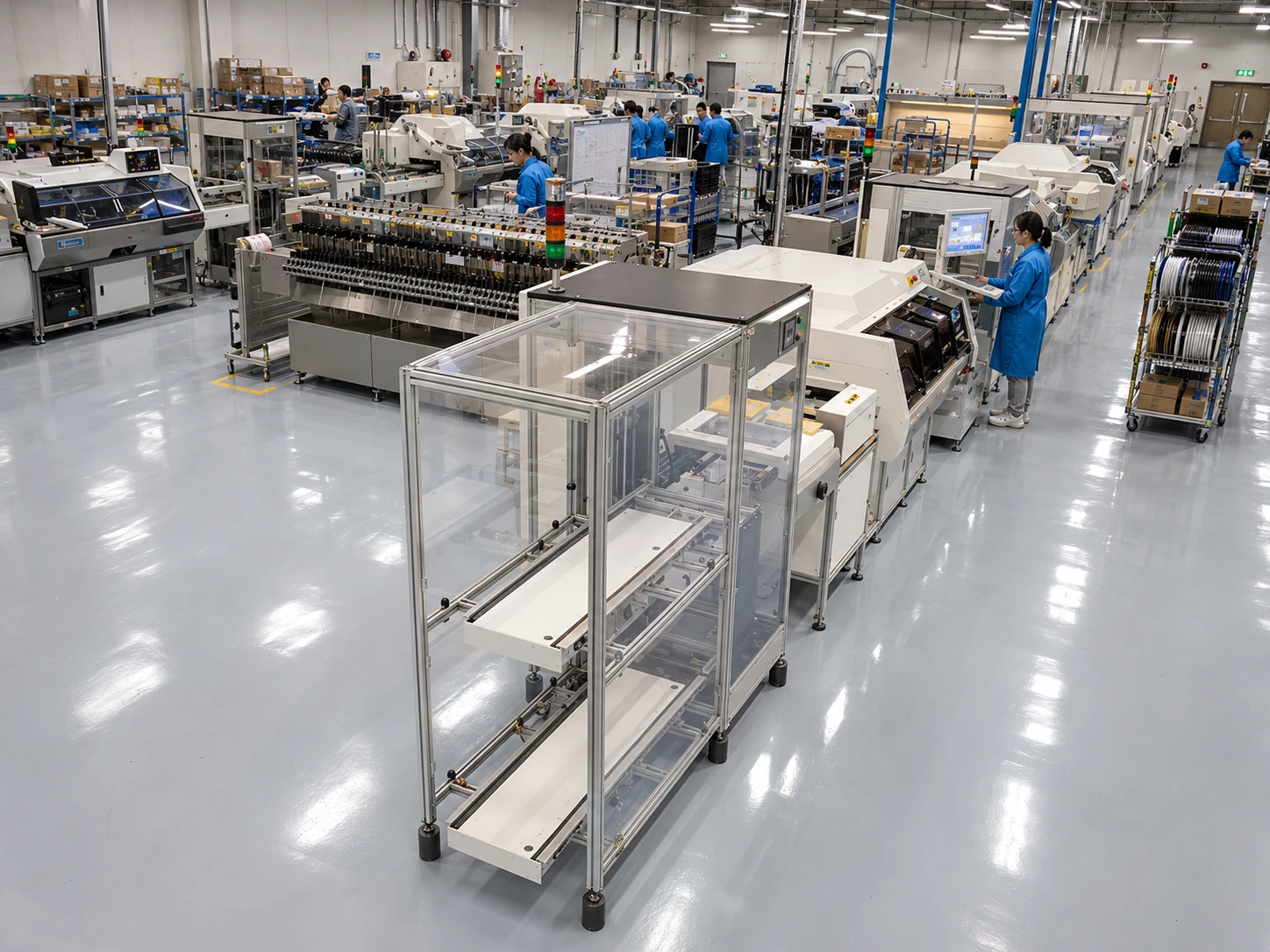
Electronics Manufacturing & ESD Control Areas
Select an appropriate anti-static flooring system based on the project's specified electrostatic control requirements.
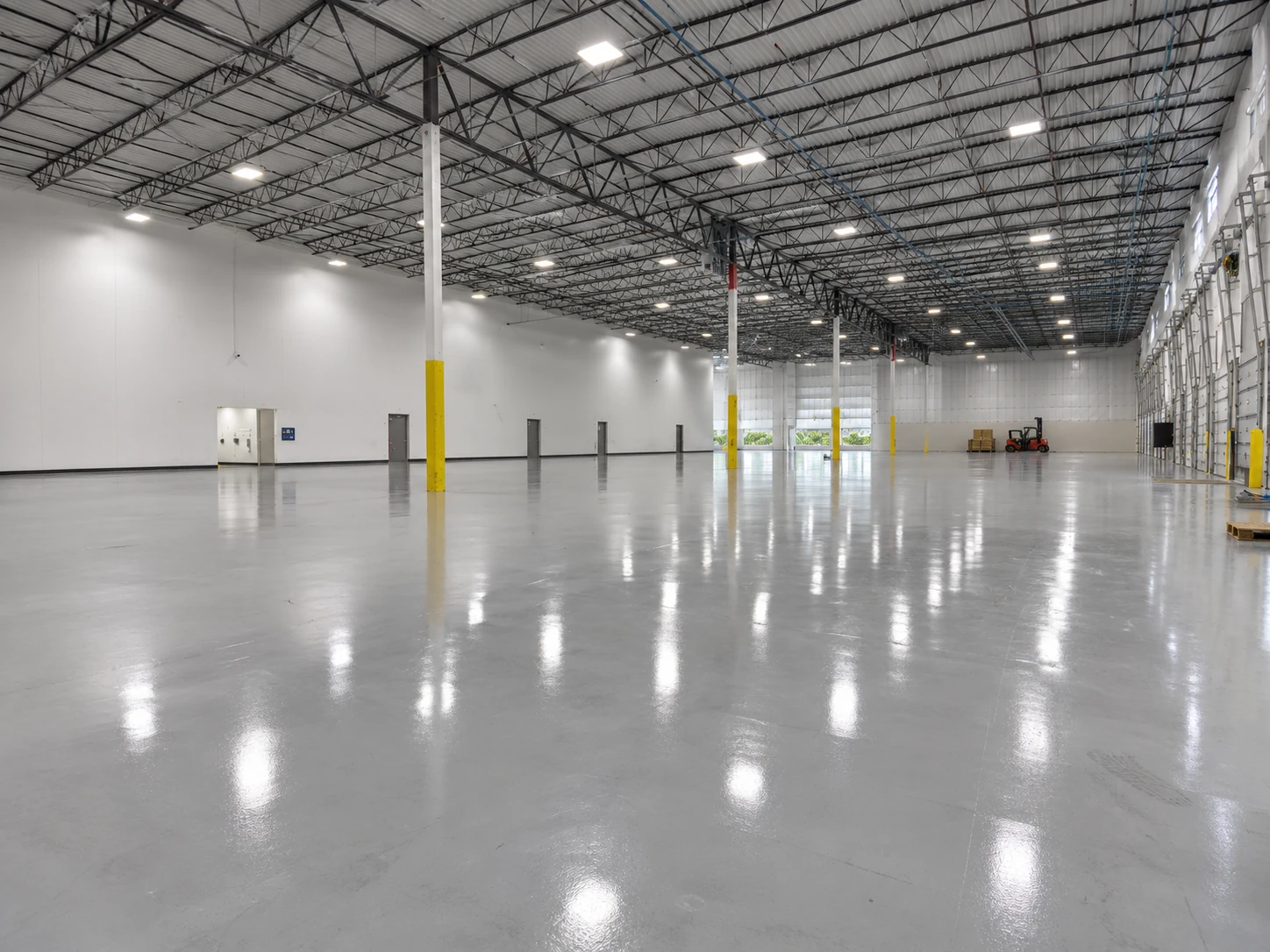
Warehouses & Material Storage Areas
For daily material handling, storage and supporting operations. Consider actual loads and operating methods when selecting a system.
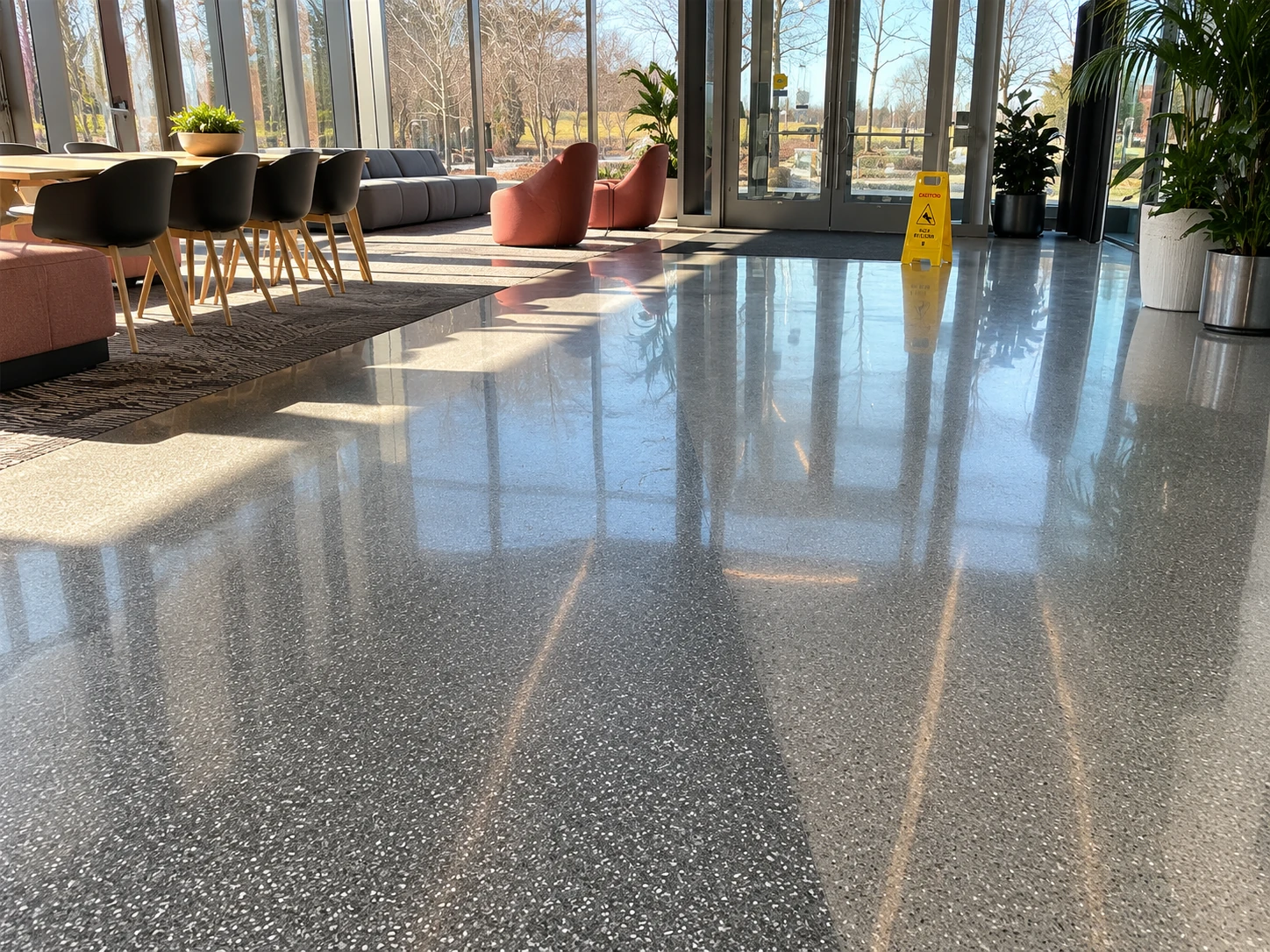
Showrooms & Commercial Interiors
Choose from smooth coatings, epoxy colored sand and epoxy terrazzo for different decorative flooring effects.
Actual suitability depends on project conditions, expected performance and the selected epoxy flooring system.
About Epoxy Flooring Materials
Common Questions
Flooring selection, installation and technical documentation should be considered according to each project's requirements.
What is the difference between thin-coat and self-leveling epoxy flooring?
They differ in application methods, system thickness and surface finish. Thin-coat epoxy is generally roller-applied, while self-leveling epoxy forms a smoother, more continuous surface. Choose according to project conditions.
Does anti-static epoxy flooring require grounding?
Anti-static systems generally require conductive layers and specified grounding measures as part of the overall design. The exact structure should follow the product system and project ESD requirements.
What is the difference between epoxy colored sand and epoxy terrazzo?
Colored sand systems use fine colored sand for texture and color. Terrazzo systems use decorative aggregates that are revealed by grinding and polishing after curing. Their installation processes and cost structures differ.
How long before epoxy flooring can be put into service?
This depends on material type, application thickness, and site temperature and humidity. Follow the curing requirements and installation guidance for the specific system rather than applying one timeframe to all products.
Can you provide technical datasheets and test reports?
Available technical datasheets and applicable test reports can be provided according to the product model and project requirements. Documentation and test coverage depend on the actual product records.
Find the Right Flooring Materials for Your Project
Tell us about your project environment, floor area and surface requirements. We can discuss material options and available technical documentation.