
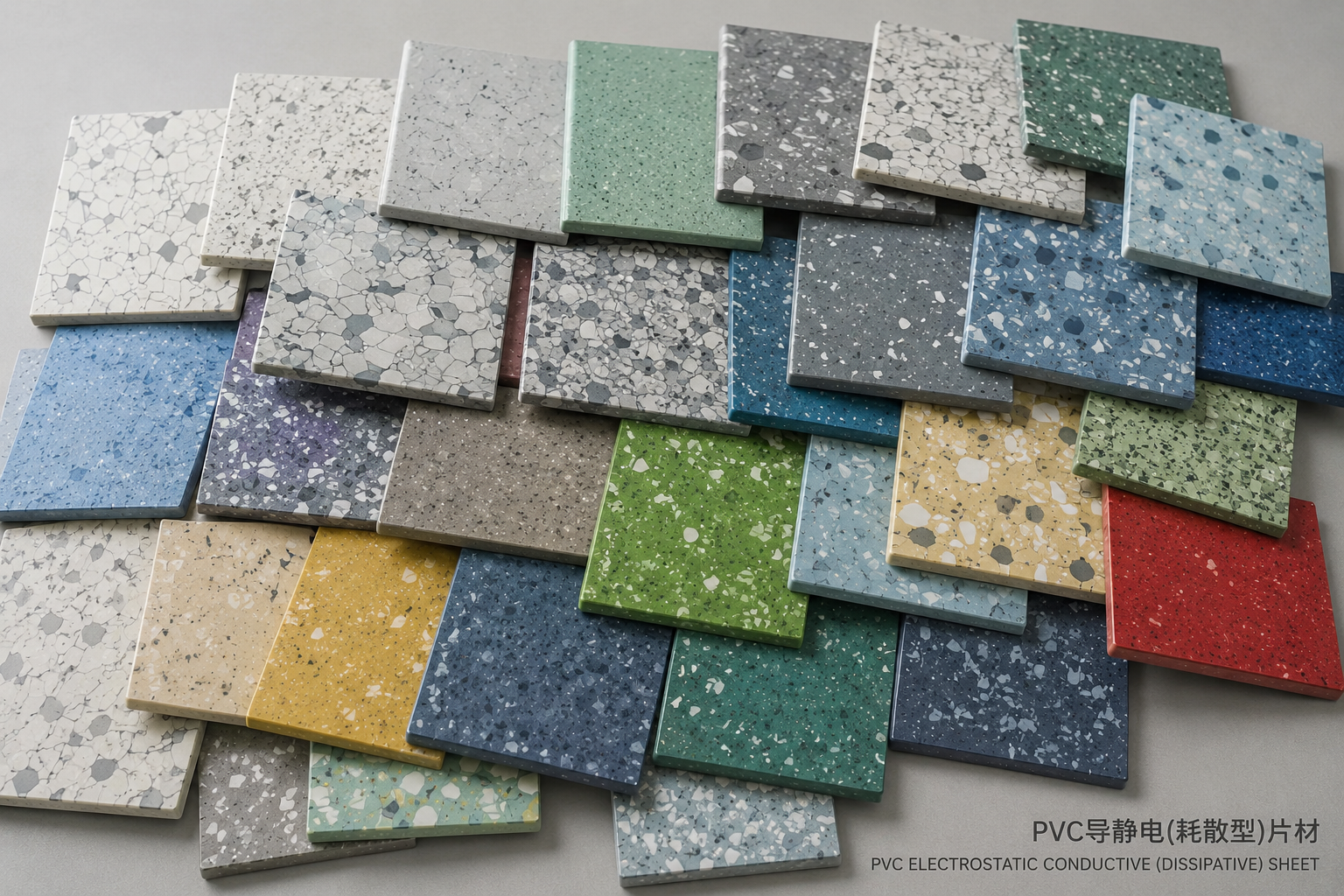
PVC Flooring Materials
Designed for hospitals, schools, offices, commercial spaces, pharmaceutical cleanrooms, and public buildings, our PVC flooring solutions combine wear resistance, slip resistance, easy maintenance, underfoot comfort, and a wide range of design options.
What Are PVC Flooring Materials?
PVC flooring is a resilient flooring material made mainly from polyvinyl chloride and composite materials. It provides excellent wear resistance, slip resistance, water resistance, easy maintenance, and comfortable underfoot performance. Available in rolls, tiles, homogeneous, and multilayer structures for different applications.
With various colors, textures, and specifications, PVC flooring is widely used in healthcare, education, offices, commercial spaces, clean production areas, and public buildings, combining functionality, aesthetics, and easy long-term maintenance.
Key Advantages of PVC Flooring
Combining durability, slip resistance, comfort, and design versatility, PVC flooring provides a reliable and long-lasting solution for commercial and public spaces.
Durable and Wear-Resistant
Ideal for high-traffic environments such as hospitals, schools, and commercial spaces.
Slip-Resistant and Safe
Provides reliable surface slip resistance to reduce the risk of slips and falls.
Easy to Clean and Maintain
Its dense surface resists dust accumulation and simplifies routine cleaning and maintenance.
Comfortable Underfoot
Its resilient structure improves walking comfort and helps absorb impact underfoot.
Sound-Absorbing
Helps reduce footstep noise and improves the acoustic comfort of indoor spaces.
Versatile Designs
Available in wood, stone, solid-color, and custom project-specific designs.
PVC Flooring Applications
Suitable for public and commercial environments with comprehensive requirements for durability, slip resistance, easy maintenance, underfoot comfort, and interior design.

Hospitals and Healthcare Facilities
Easy to clean, durable, and comfortable underfoot—ideal for wards, corridors, and treatment areas.

Schools and Educational Facilities
Suitable for classrooms, libraries, activity rooms, and shared learning areas.

Office Spaces
Combines modern design, underfoot comfort, and easy routine maintenance.

Retail and Commercial Spaces
A wide range of designs complements brand identities in shopping centers, stores, and showrooms.

Clean Production Areas
Provides seamless installation and easy cleaning for pharmaceutical and clean production environments.
PVC Flooring Installation Process
The quality of PVC flooring installation is closely related to subfloor flatness, moisture content, adhesive application, and seam treatment. The installation plan should be tailored to the product type and site conditions.
Subfloor Inspection
Inspect the subfloor strength, flatness, moisture content, and surface cleanliness.
Subfloor Leveling
Repair cracks and holes, and apply a cement-based self-leveling compound where necessary.
Layout Planning
Mark and plan the layout according to the room dimensions, pattern direction, and design requirements.
Adhesive Application and Installation
Apply the specified adhesive evenly, install the sheets or tiles, and roll firmly into place.
Seam Finishing and Inspection
Complete seam welding, edge finishing, surface cleaning, and the final installation quality inspection.
Reference Technical Specifications
The structure, thickness, and performance characteristics vary between PVC flooring products. Final specifications are subject to the technical data of the selected product.
PVC Flooring FAQs
What Is the Difference Between PVC Sheet and PVC Tile Flooring?
Is PVC Flooring Suitable for Hospitals?
Why Must the Subfloor Be Leveled Before Installation?
How Should PVC Flooring Be Cleaned and Maintained?
Can the Colors and Textures of PVC Flooring Be Customized?
Need a PVC Flooring Solution?
Based on your project space, traffic conditions, subfloor requirements, design preferences, and maintenance needs, TUTR can recommend suitable PVC flooring materials and installation solutions.