
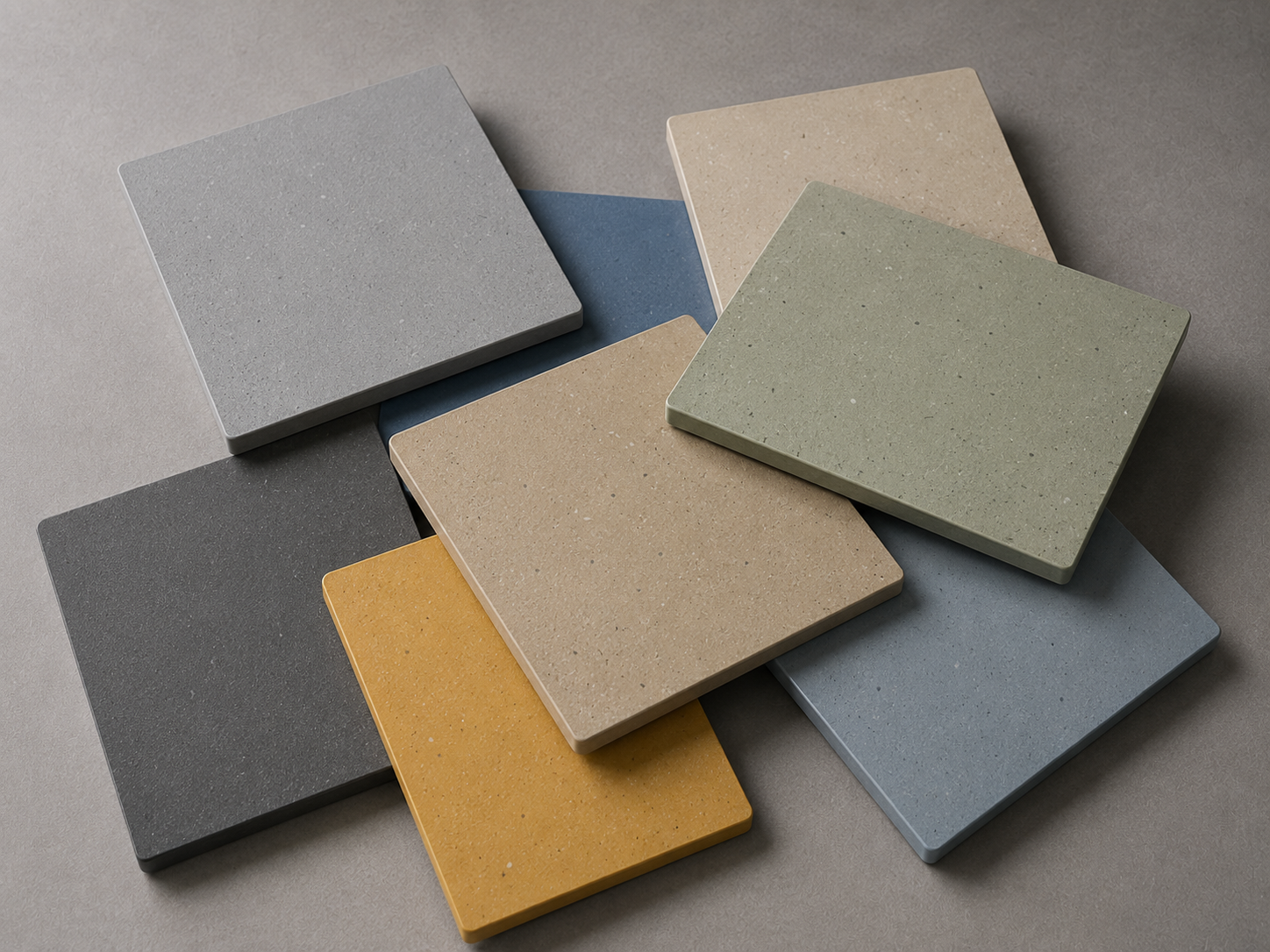
Polyurethane Flooring Materials
Designed for industrial facilities, food processing, pharmaceutical cleanrooms, warehousing and logistics, and commercial spaces, providing polyurethane flooring material solutions with wear resistance, impact resistance, flexibility, and chemical resistance.
What Are Polyurethane Flooring Materials?
Polyurethane flooring materials are high-performance seamless flooring systems featuring excellent wear resistance, impact resistance, flexibility, and chemical resistance. They are designed for mechanical vibration, temperature changes, and long-term heavy use.
Compared with traditional rigid flooring systems, polyurethane flooring provides better flexibility and crack resistance, making it ideal for food processing, pharmaceutical, electronics manufacturing, industrial facilities, and logistics areas.
Core Advantages of Polyurethane Flooring
Provides stable and durable floor protection for heavy loads, mechanical impact, temperature fluctuations, and demanding industrial environments.
High Wear Resistance
Suitable for long-term frequent traffic from personnel, vehicles, and machinery.
Impact Resistance
Good flexibility helps absorb mechanical impact and equipment vibration.
Chemical Resistance
Resists oil, cleaning agents, and selected industrial chemicals.
Flexible & Crack Resistant
Adapts to minor substrate movement and environmental temperature changes.
Seamless & Easy to Clean
A continuous surface reduces dust and dirt accumulation and simplifies maintenance.
Custom Colors
Supports functional zoning, brand identity, and safety management requirements.
Polyurethane Flooring Applications
Suitable for industrial and commercial spaces with high requirements for wear resistance, cleanliness, impact resistance, and long-term stability.

Food Processing
Seamless, easy to clean, and resistant to frequent washing, making it suitable for production areas with high hygiene requirements.

Industrial Factories
Meets the wear-resistance requirements of equipment areas and high-traffic spaces.
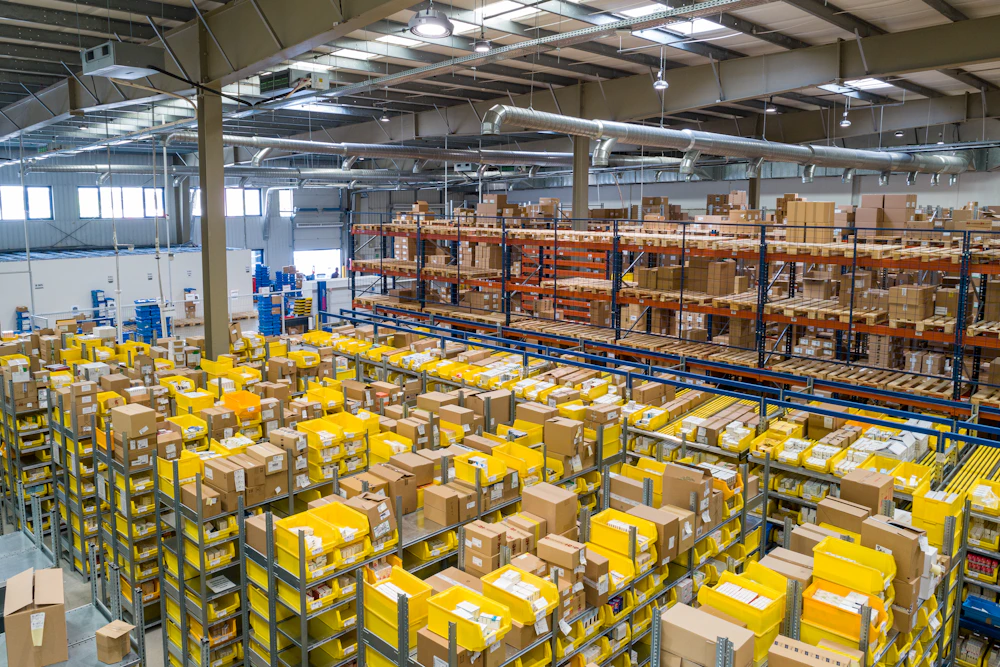
Warehousing & Logistics
Suitable for forklifts, material handling, and areas with long-term frequent use.

Pharmaceutical Clean Areas
The continuous seamless surface is easy to clean, disinfect, and maintain.
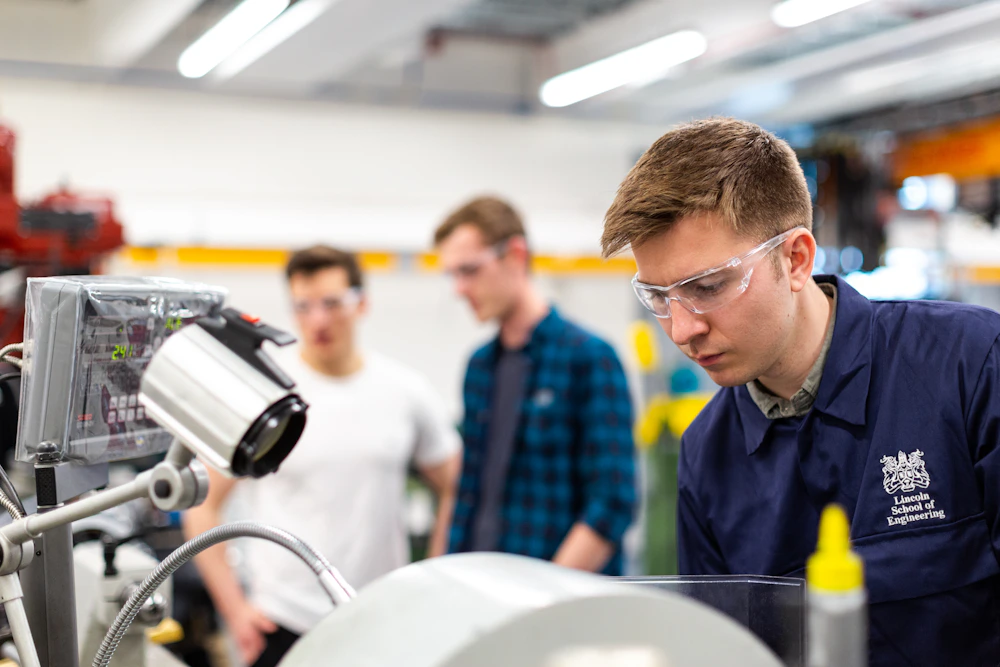
Electronics Manufacturing
Meets requirements for cleanliness, wear resistance, and functional zoning.
Polyurethane Flooring Installation Process
The actual system structure should be determined according to substrate strength, service load, designed thickness, and site conditions.
Substrate Preparation
Grind and repair the surface, and remove oil, laitance, and loose material.
Primer Application
Seal the substrate and improve adhesion between the flooring material and concrete surface.
Intermediate Leveling
Apply the mortar layer or leveling layer according to the designed thickness.
Topcoat Application
Apply the polyurethane top layer to form a complete and continuous finished surface.
Curing & Inspection
Complete curing according to material requirements and inspect the finished surface quality.
Reference Technical Parameters
Final performance and technical parameters are subject to the specific product technical data and project solution.
Polyurethane Flooring FAQs
What is the difference between polyurethane flooring and epoxy flooring?
Is polyurethane flooring suitable for food processing facilities?
How long does polyurethane flooring usually last?
Can an existing floor be renovated with polyurethane flooring?
Can polyurethane flooring colors be customized?
Need a Polyurethane Flooring Solution?
Based on your project environment, substrate conditions, application areas, and performance requirements, TUTR can recommend a suitable polyurethane flooring system for your project.