

Epoxy Flooring Materials
Designed for industrial facilities, warehouses and logistics centers, underground parking areas, electronics manufacturing plants, and commercial spaces, our epoxy flooring solutions provide excellent wear resistance, dust control, load-bearing performance, chemical resistance, and a seamless surface that is easy to clean and maintain.
What Are Epoxy Flooring Materials?
Epoxy flooring materials are high-performance flooring systems based on epoxy resin technology. They provide excellent wear resistance, dust protection, load-bearing performance, chemical resistance, and a seamless surface, meeting the durability, cleanliness, and aesthetic needs of modern industrial and commercial spaces.
Based on substrate conditions, load requirements, and surface finishes, epoxy flooring systems include thin-coat epoxy, self-leveling epoxy, epoxy mortar, and functional epoxy solutions. They are widely used in factories, warehouses, parking areas, and electronics manufacturing facilities.
Core Advantages of Epoxy Flooring
Combining wear resistance, cleanliness, strength, and decorative appeal, epoxy flooring provides reliable and durable surface protection for industrial and commercial spaces.
High Wear Resistance
Suitable for industrial areas with frequent vehicle, foot, and equipment traffic.
High Load-Bearing Strength
Provides excellent overall strength and compressive resistance.
Seamless and Dustproof
The continuous surface helps reduce dust, dirt buildup, and contamination.
Chemical Resistance
Resistant to certain oils, cleaning agents, and industrial chemicals.
Attractive Appearance
Available in a wide range of colors for functional zoning and corporate branding.
Cost-Effective and Durable
A proven installation system with relatively low overall and maintenance costs.
Epoxy Flooring Applications
Suitable for industrial and commercial spaces that require wear resistance, dust control, load-bearing strength, easy cleaning and maintenance, as well as an attractive overall appearance.

Industrial Facilities
Suitable for production workshops, equipment areas, and high-traffic workspaces.
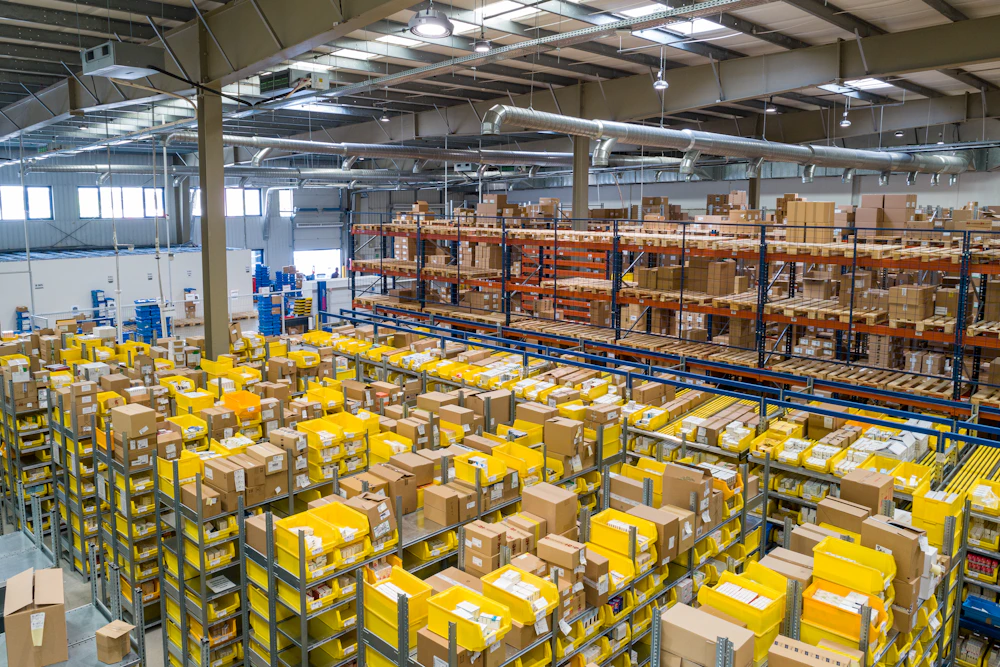
Warehousing & Logistics
Designed for material handling, forklift traffic, and long-term use.

Underground Parking
Suitable for driveways, parking bays, and functional area markings.

Electronics Manufacturing
Seamless and dustproof, ideal for clean and precision manufacturing environments.

Commercial Spaces
Combines wear resistance, visual appeal, and easy daily maintenance.
Epoxy Flooring Installation Process
The quality of epoxy flooring installation depends closely on the substrate strength, moisture content, surface flatness, and application of each coating layer. The installation plan should be developed according to the service load and specified system thickness.
Substrate Preparation
Grind the substrate, repair cracks, and remove oil, laitance, and loose materials.
Primer Application
Seal the concrete substrate and improve the overall adhesion of the epoxy system.
Intermediate Leveling Layer
Apply an epoxy mortar or putty layer according to the specified thickness to improve strength and surface flatness.
Epoxy Topcoat
Apply a roller-coated or self-leveling topcoat to create a continuous, durable finished surface.
Curing and Inspection
Allow the flooring to cure according to the material requirements, then inspect the thickness, appearance, and surface quality.
Reference Technical Specifications
Thickness and performance vary between epoxy flooring systems. Final specifications should be based on the product technical data and the approved project solution.
Epoxy Flooring FAQs
Where can epoxy flooring be used?
What is the difference between epoxy and polyurethane flooring?
How long does epoxy flooring typically last?
Can an existing floor be renovated with epoxy flooring?
Can epoxy flooring colors be customized?
Need an Epoxy Flooring Solution?
Based on your project environment, substrate conditions, application areas, load requirements, and surface finish needs, TUTR can recommend the right epoxy flooring system for your project.